
What Is A Condensate Pump? The Basics And Benefits
What is a Condensate Pump?
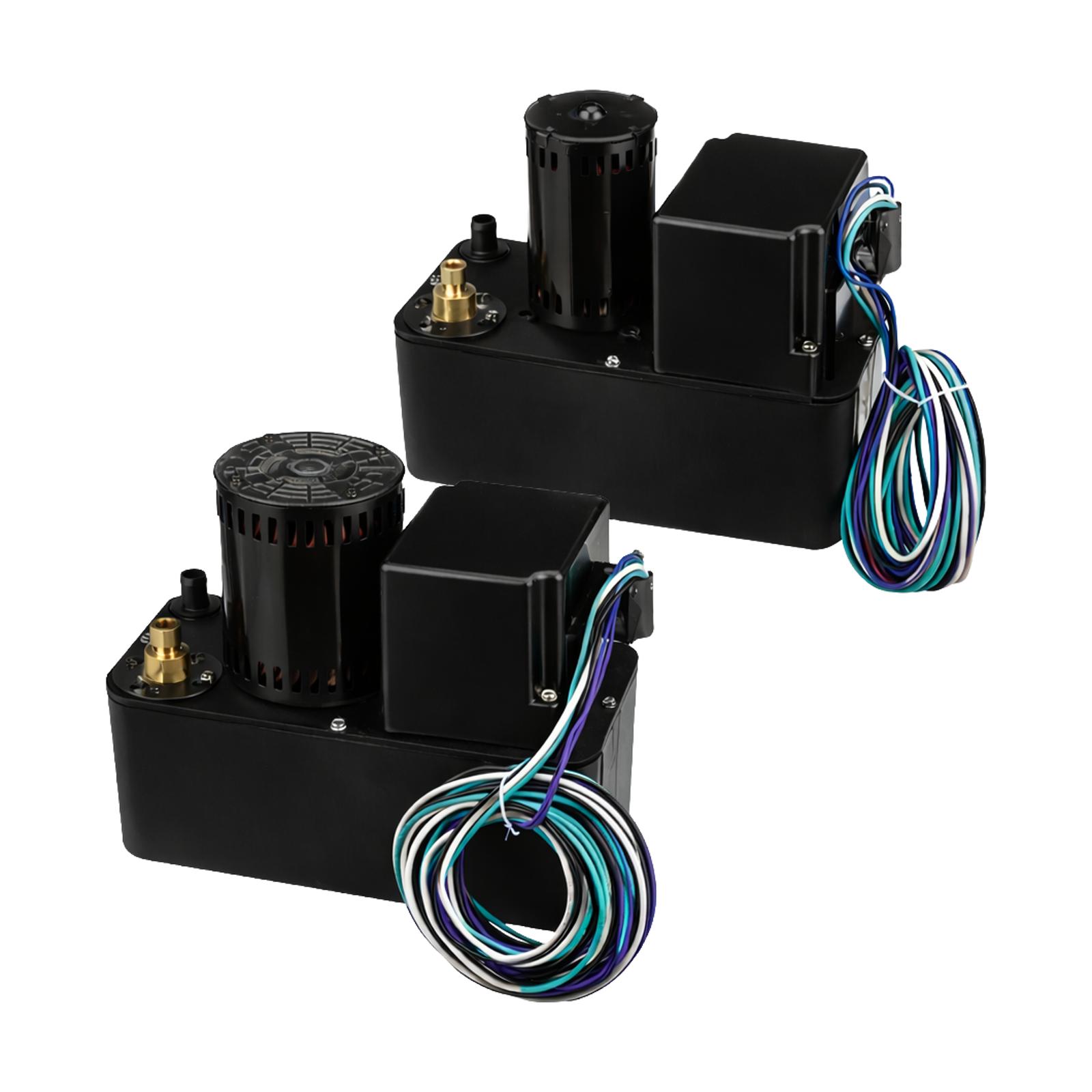
A condensate pump is a mechanical device designed to collect and remove condensate water generated by HVAC systems, refrigeration equipment, and humidification or dehumidification units.
Condensate forms naturally when warm, humid air passes over cold surfaces such as evaporator coils. When this water cannot be removed by gravity drainage, a condensate pump is required to transport it safely to a drain point.
Condensate pumps are commonly used in:
- Air conditioning systems
- Furnaces and boilers
- Refrigerated display cases
- Ice machines
- Data centers and critical cooling environments
How Does a Condensate Pump Work?
A condensate pump is designed to collect and remove condensation water that accumulates in HVAC systems, refrigerated display cases, ice machines, and other cooling equipment.
When the system operates, warm air passes over cold surfaces, creating condensate. This water flows into a collection reservoir inside the condensate pump.
Step‑by‑step operation:
- Condensate collection
Condensation water drains naturally from the system into the pump’s internal reservoir. - Water level detection
As the condensate level rises, a built‑in float switch monitors the water height. - Automatic pumping
Once the water reaches a preset level, the condensate pump automatically activates and pumps the water to a designated drainage location. - High‑level safety protection
If the water level becomes too high, a single‑stage high‑level alarm switch can trigger an alert or shut down the system to prevent overflow and water damage.
Condensate pumps are designed to operate independently of the HVAC system’s efficiency. Their role is strictly to manage condensate safely and reliably, helping prevent leaks, equipment damage, and unexpected system shutdowns.
Condensate Pump Categories
There are several categories of condensate pumps, some pumps are designed for high temperatures, others for high volumes, and some to fit into restricted spaces, or suited for high surges of water.
Mini split pumps are designed for low to medium capacity ductless air conditioning systems.
Refrigerated Display Case Pumps are designed with tanks shaped to fit under at the bottom of the refrigerator underneath cabinet shelves.
Plenum rate pumps designed for plenum air handling spaces where breathing air is important, and Low Profile pumps are designed for small spaces
Choosing the Right Condensate Pump
Selecting the right condensate pump for your system is crucial. Factors to consider include the pump's capacity, the type of system you have, and the specific requirements of your application. For detailed guidance, refer to our condensate pump selection document.
A condensate pump is an essential component of HVAC systems, where gravity drainage is impractical, helping to manage and remove condensate effectively. By understanding what a condensate pump is and how it works, you can ensure the efficient operation and longevity of your equipment.
Would you like to learn more about condensate pumps or need help with your HVAC system? Contact us today for expert advice and support.
Condensate Pumps for Data Centers and AI‑Driven Infrastructure
The data center market is growing rapidly, fueled by the rise of artificial intelligence (AI), cloud computing, and high‑performance computing (HPC). These technologies increase server density and heat output, placing unprecedented demands on cooling systems—and on reliable condensate management.
Why condensate management matters more than ever
As AI workloads scale, data center cooling systems:
- Operate 24/7 without interruption
- Produce higher and more consistent volumes of condensate
- Require absolute reliability to protect critical IT infrastructure
Even minor condensate issues, such as leaks or pump failure, can:
- Cause costly downtime
- Damage sensitive equipment
- Compromise operational continuity
Hartell solutions for data center cooling
Hartell designs and manufactures condensate pumps specifically developed for data centers and mission‑critical environments, offering:
- Proven reliability
- Compact designs for restricted mechanical spaces
- Seamless integration into modern cooling architectures
Learn more about Hartell condensate pumps for data centers and discover the right solution for AI‑driven cooling environments by clicking here.

Contact Us